
Unveiling the Role of a Dental Assistant: Your Ultimate Guide
Key Responsibilities: More Than Just Assisting
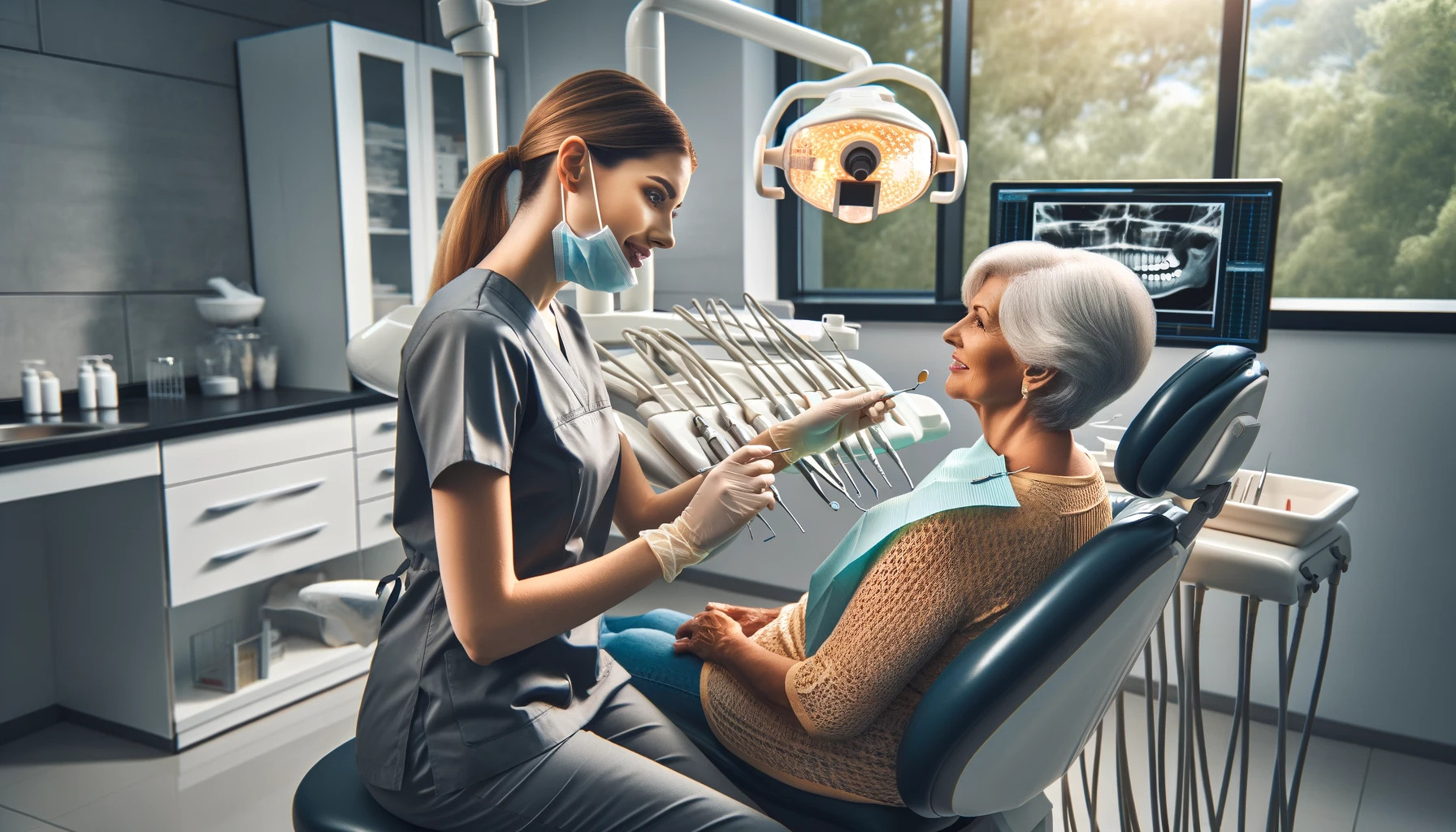
The role of a dental assistant is multifaceted, extending beyond simple assistance to the dentist during dental procedures. These professionals are pivotal to ensuring a smooth operation within the dental suite, engaging in tasks that range from administrative to clinical activities. One of the primary responsibilities includes preparing patients for treatments, which involves taking medical histories, explaining procedures, and addressing any concerns they may have. By establishing a rapport with patients, dental assistants help alleviate anxiety and foster a comforting environment.
In addition to patient interactions, dental assistants are responsible for sterilizing dental instruments to maintain high standards of hygiene and safety in the clinical setting. They are trained in various chairside procedures, such as taking X-rays, assisting with fillings, and instrument exchange, which requires a keen understanding of the procedures being performed. This technical proficiency is essential, as it directly impacts the efficiency of the dentist and the overall patient experience. Moreover, dental assistants often play a significant role in inventory management, which entails ordering supplies and ensuring that the dental office is well-equipped. They may also undertake administrative responsibilities, such as scheduling appointments, billing, and maintaining patient records.
A Day in the Life: What to Expect as a Dental Assistant
A typical day for a dental assistant begins well before the first patient arrives. Preparing the office, ensuring that all equipment is sterilized, and reviewing the day’s schedule are crucial initial tasks. Once patients start arriving, the assistant is the first point of contact, greeting them, checking them in, and providing comfort and information. Throughout the day, the dental assistant oscillates between chairside assistance and front-office tasks, demonstrating their versatility. During procedures, they maintain a focus on both the dentist and the patient; while assisting the dentist with instruments and materials, they also monitor patient comfort and conditions.
The rhythm of a dental practice can be fast-paced, particularly in busy offices. After each patient, dental assistants are responsible for thoroughly cleaning and preparing the treatment room for the next patient, which includes sterilizing instruments and disposing of waste according to strict health regulations. Additionally, patient education is a vital aspect of their role. After procedures, assistants often advise patients on postoperative care, providing instructions on pain management, dietary restrictions, and the importance of follow-up visits, ensuring that patients leave with the knowledge they need to facilitate their recovery.
Skills That Shine: Pedagogical and Technical Expertise
The competencies required to excel as a dental assistant encompass a blend of technical skills and soft skills, creating a diverse skill set that is both comprehensive and nuanced. Essential technical skills include proficiency in radiography and an understanding of dental procedures, materials, and tools. Mastery of chairside techniques and infection control protocols is crucial for maintaining a safe clinical environment. Furthermore, a thorough knowledge of dental terminology allows assistants to effectively communicate with both patients and the dental team.
Beyond technical prowess, dental assistants must also possess exceptional interpersonal and communication abilities. They need to cultivate a calming presence, especially in a field where patients often experience anxiety. Empathy and active listening are critical skills that help assistants address patient concerns effectively. In an increasingly digital age, familiarity with dental practice management software has become essential. This not only facilitates smoother administrative operations but also contributes to an efficient patient experience. The transition from in-person procedures to telehealth consultations in recent years has also highlighted the need for adaptability, ensuring dental assistants remain relevant and effective in any practice environment.
Navigating the Educational Path: Your Roadmap to Success
Necessary Qualifications: Certifications and Beyond
To embark on a career as a dental assistant, candidates typically need at least a high school diploma or equivalent. Many educational programs exist, including community college diplomas, technical school certifications, and even accredited online courses that offer a blend of theoretical knowledge and practical experience. Some states require dental assistants to obtain certification or licensure, which typically involves passing an exam. The American Dental Association (ADA) offers the Dental Assisting National Board (DANB) certification, which is widely recognized and may enhance employability.
Prospective dental assistants should also look to gain additional specialties, such as orthodontic assisting or expanded functions certifications. These credentials not only bolster a resume but also open doors to more advanced roles and responsibilities. Training in areas such as radiology, anesthesia assisting, or patient management can significantly enhance an individual’s career prospects. Similarly, hands-on experience through internships or externships during training can provide valuable insights into the workplace environment and familiarize candidates with real-world demands, making the transition from student to professional seamless.
Finding the Right Program: Schools to Consider
Selecting an appropriate educational program is crucial in shaping a successful career as a dental assistant. When evaluating programs, potential candidates should consider factors such as accreditation, faculty qualifications, job placement rates, and the comprehensiveness of the curriculum. Accreditation by the Commission on Dental Accreditation (CODA) ensures that the program meets or exceeds industry standards. Popular options include programs offered by community colleges, vocational schools, and universities. Many well-regarded institutions also incorporate training in dental software, radiology, and infection control into their curricula.
In addition to traditional classroom settings, online programs have gained popularity, particularly post-pandemic, providing flexibility for students with various personal commitments. These offerings can be particularly appealing for those looking to balance work and study. Additionally, participating in dental assistant forums or attending local dental associations can provide insights into reputable programs and valuable connections within the industry. Ultimately, pursuing a program that offers both a robust education and extensive hands-on training is key to facilitating success in this competitive field.
Continuing Education: Staying Current in a Fast-Paced Field
The field of dental assisting is continually evolving, with advancements in technology and methods regularly reshaping the practice. As such, ongoing education and training are paramount for dental assistants wishing to maintain their edge in the profession. Many states require dental assistants to complete continuing education credits periodically to renew their licenses or certifications. Various professional organizations, such as the American Dental Assistants Association (ADAA), offer resources and opportunities for dental assistants to engage in workshops, webinars, and courses that cover new technologies, best practices, and industry regulations.
Additionally, attending dental conferences and seminars can expose dental assistants to the latest trends and innovations in the field. Networking with other professionals during these events allows for the exchange of ideas and best practices, further enhancing knowledge and competency. Becoming involved with professional organizations can also provide access to a wealth of educational materials, mentorship opportunities, and even scholarships for further studies—empowering dental assistants to expand their skillsets and adapt to the ever-changing demands of the dental industry.
Job Market Insights: Demand and Opportunities Await
Trends in Dental Healthcare: The Future of Dentistry
The dental industry, much like healthcare as a whole, is experiencing significant transformations driven by technological advancements, changing patient demographics, and an increasing emphasis on preventive care. The American Dental Association projects a steady rise in demand for dental services, which in turn creates a robust need for skilled dental assistants. One of the most notable trends is the integration of digital technologies, such as teledentistry and electronic health records (EHRs), which streamline patient care and administrative processes. This shift towards digital practices requires dental assistants to be adaptable and proficient in using these technologies.
Additionally, there’s a growing awareness of the importance of oral health in overall health outcomes, leading to an expanded focus on preventive dentistry. Dental assistants are increasingly being called upon to educate patients on oral hygiene practices, dietary choices, and preventive treatments. As more individuals recognize the impact of oral health on general well-being, dental practices may expand to offer more holistic services, further increasing the demand for knowledgeable and skilled dental assistants capable of educating patients.
Geographic Variances: Where Are the Most Jobs Hiding?
The job market for dental assistant jobs varies significantly across regions, shaped by factors such as population density, the dental care landscape, and overall economic conditions. Urban areas tend to have a higher concentration of dental practices, resulting in more employment opportunities. In contrast, rural regions may also experience steady demand due to a shortage of dental professionals. States like California, Texas, and Florida continue to demonstrate strong growth in dental assistant jobs, driven by their large populations and expanding access to dental services.
Furthermore, some states offer more competitive salaries and benefits for these roles. For those pursuing a career in dental assisting, researching local job trends and understanding regional differences is essential. Resources such as local dental associations and the Bureau of Labor Statistics can offer valuable insights into employment outlooks and compensation patterns, helping candidates make informed decisions about where to pursue dental assistant jobs.
Compensation Expectations: Understanding Your Worth
The compensation landscape for dental assistants can vary based on multiple factors, including geographical location, level of experience, education, and the complexity of the responsibilities undertaken. According to the Bureau of Labor Statistics (BLS), the median annual salary for dental assistants in the United States hovers around $41,000, but this figure can climb significantly with additional certifications and specialized training. Dental assistants in metropolitan areas or those working in specialized practices can command higher salaries due to increased demand and higher living costs.
Incentives such as benefits packages, overtime pay, and bonuses for performance may also play a crucial role in overall compensation. As dental practices increasingly value skilled assistants who contribute to patient satisfaction and operational efficiency, competitive salaries and benefits can be expected. Understanding the local market and negotiating compensation based on experience and qualifications can empower dental assistants to secure roles that fairly reflect their capabilities and contributions to the practice.
Building a Thriving Career: Tips and Strategies for Success
Networking in Dentistry: Making Connections That Matter
Networking is an invaluable aspect of building a successful career in dental assisting. Establishing connections within the industry can open doors to new job opportunities, mentorships, and collaborative projects. Engaging with fellow dental professionals, attending conferences, and joining professional organizations can provide platforms to share knowledge and experience. Social media platforms, such as LinkedIn, have become powerful tools for connecting with other professionals and discovering new opportunities within the dental field.
Moreover, many dental practices seek referrals when hiring dental assistants, making personal connections invaluable. Actively seeking out networking opportunities can lead to informal mentorships, where experienced professionals can offer insights and guidance, significantly enhancing career trajectories. Additionally, developing relationships with suppliers and manufacturers of dental products can provide additional resources and insights into industry trends, further augmenting one’s professional network.
Career Advancement: From Dental Assistant to Practice Manager
While many dental assistants find fulfilling careers in their roles, several pathways exist for advancement within the dental field. With experience and continuing education, dental assistants can pursue certifications that allow them to specialize in areas like orthodontics, periodontics, or oral surgery. This specialization can lead to higher pay, increased responsibilities, and even leadership roles within dental practices.
For those aspiring to take on managerial tasks, pursuing further qualifications in business administration or management can pave the way. Dental assistants can transition into practice managers, guiding the business aspects of a dental practice while still drawing on their clinical experience. This combination of clinical and administrative knowledge makes them uniquely suited to navigate the dynamics of a dental practice, ensuring both patient satisfaction and operational efficiency.
Maintaining Work-Life Balance: A Guide for Busy Professionals
Working in the dental field can be both fulfilling and demanding, and maintaining a healthy work-life balance is crucial for long-term success and satisfaction. With the often fast-paced nature of dental offices, stress can be a frequent companion for dental assistants. Prioritizing self-care, setting boundaries between work and personal life, and developing effective time management strategies can contribute to a more balanced lifestyle.
Practicing mindfulness and stress-management techniques, such as yoga or meditation, can be immensely beneficial in navigating the demands of the profession. Creating and adhering to a schedule that allows for downtime, hobbies, and family time can help stave off burnout. Additionally, discussing workload management openly with supervisors can foster a supportive work environment that values the well-being of its employees. By prioritizing both professional excellence and personal fulfillment, dental assistants can create a sustainable career that positively impacts their lives and the lives of their patients.


More Stories
The Power of Positive Headlines: Healthy News to Brighten Your Day
Breakthroughs and Buzz: The Latest Health News Shaking Up Wellness in 2024
Breakthrough Health Alerts: What’s New in Wellness Today