
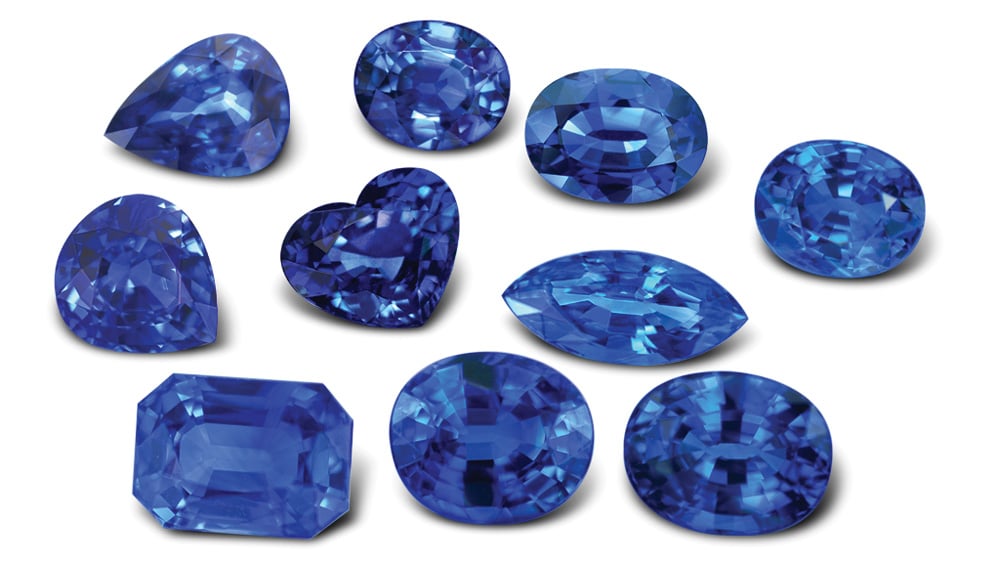
The Science Behind Sapphires: A Closer Look at Corundum reveals the fascinating geological and chemical processes that create one of the most coveted gemstones in the world. Whether they are adorning engagement rings birmingham shoppers adore or gracing museum displays, sapphires captivate with their brilliance and durability. These stunning gems are a variety of corundum, a mineral that ranks second only to diamond in hardness, making it ideal for jewelry and industrial applications alike.
Corundum is composed primarily of aluminum and oxygen, forming the crystalline structure Al₂O₃. The striking colors of sapphires, ranging from deep blues to fiery oranges, emerge due to trace impurities in their crystal lattice. For example, the iconic blue sapphire owes its hue to the presence of iron and titanium, while vanadium creates shades of purple, and chromium gives rise to pink or red tones. Interestingly, when corundum contains sufficient chromium to produce a vibrant red, it is classified as a ruby rather than a sapphire, despite their shared chemical composition.
The process of sapphire formation begins deep within the Earth’s crust under extreme pressure and heat. Over millions of years, aluminum-rich rocks subjected to these conditions crystallize into corundum. Volcanic activity or tectonic movements eventually bring these crystals closer to the surface, where they can be mined. Sapphires are typically found in alluvial deposits, where water currents have transported the durable gemstones from their original host rocks to riverbeds.
Beyond their physical beauty, sapphires possess remarkable physical properties that contribute to their appeal. Their hardness, rated at 9 on the Mohs scale, makes them highly resistant to scratching and ideal for daily wear. This durability is one reason why sapphires are so popular in engagement rings. In Birmingham and beyond, these gemstones are cherished for their symbolism of loyalty and sincerity, making them a timeless choice for expressing commitment.
Sapphires also exhibit fascinating optical phenomena. Some stones display asterism, a star-like pattern visible under direct light, caused by needle-like inclusions of the mineral rutile. Others exhibit a color-change effect, appearing blue in daylight and purple under incandescent light, a feature highly prized by collectors. These unique characteristics add depth and intrigue to the allure of sapphires.
Synthetic sapphires, created using methods like the Verneuil process or hydrothermal synthesis, offer an affordable alternative to natural gemstones. These lab-grown stones share the same chemical and physical properties as their natural counterparts and are increasingly popular for their ethical and environmental benefits. They are also free from the potential ethical concerns associated with traditional mining practices. For those seeking engagement rings in Birmingham, synthetic sapphires provide a responsible choice without compromising on beauty, quality, or environmental impact, making them a smart and conscientious option.
The enduring popularity of sapphires is a testament to their unmatched combination of beauty, durability, and versatility. Whether adorning jewelry or serving industrial purposes such as watch faces and laser components, sapphires continue to captivate and inspire. By understanding the science behind these remarkable gemstones, we can deepen our appreciation for their journey from Earth’s depths to becoming cherished symbols of love and elegance.


More Stories
The Power of Positive Headlines: Healthy News to Brighten Your Day
Breakthroughs and Buzz: The Latest Health News Shaking Up Wellness in 2024
Breakthrough Health Alerts: What’s New in Wellness Today